
Gifting has never been easier
Perfect if you're short on time or are unable to deliver your gift yourself. Enter your message and select when to send it.
You’re attempting to view exclusive content only for members in the __tier_name__.
Already have an account? Sign in
You’re attempting to view exclusive content only for members in the __tier_name__.
Already have an account? Sign in

Just over a week into Dry January, I thought I’d share my experience of seeking out as many non-alcoholic wines as possible over the last year. I have tasted them at trade events & conferences,...
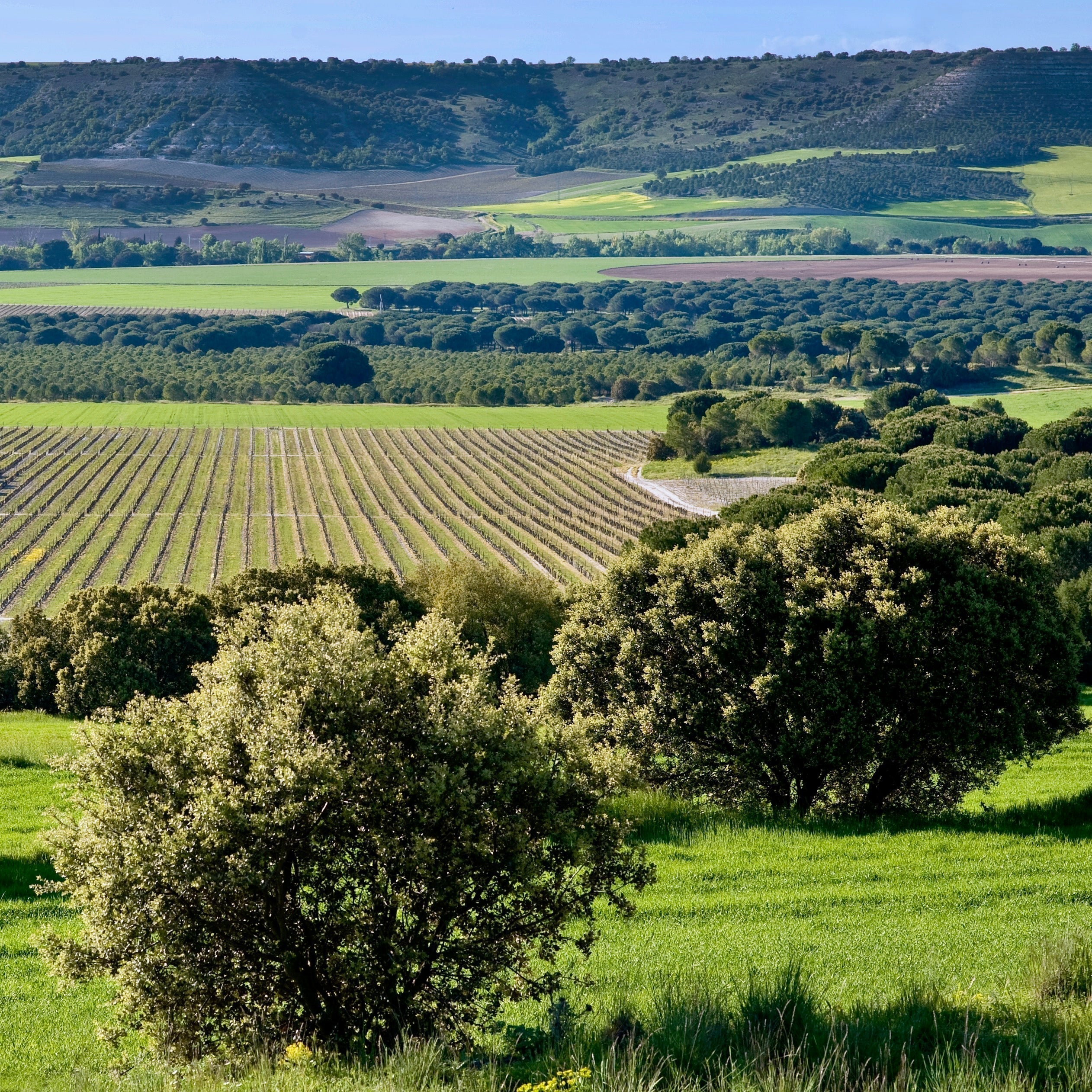
Grandes Pagos de España vs Vino de Pago - What's The Difference?
Grandes Pagos de España and Vino de Pago are both considered the best wines of Spain. Learn the difference and why it's important with Master Sommelier David Glancy

How Accurate is the Drops of God Series?
Master Sommelier and founder of San Francisco Wine School David Glancy lives and breathes wine and has taught blind tasting for 20 years. He weighed in on just how accurate Apple TV's Drops of Gold...
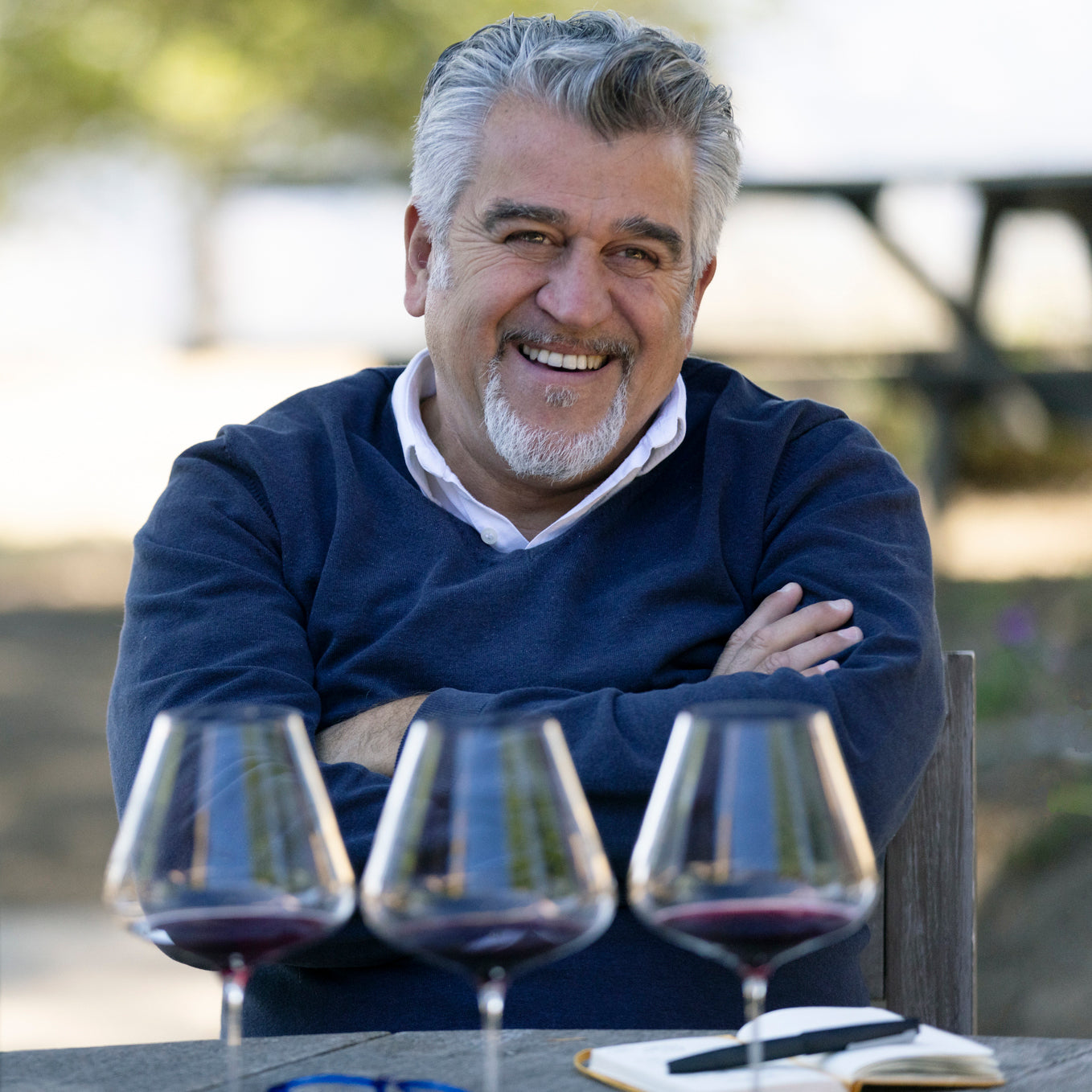
Special Guest: Roberto Cipresso
Roberto’s lifetime of experience has captured the notice of many critics and fans alike. In 2006, the Italian Sommelier Association declared Roberto the “best Italian winemaker.” In 2009, ‘Wine &am...

Day Trip to Venissa Winery on Mazzorbo Island, Italy
What is the first thing you do on arrival in Venice? A small group from our cruise promptly found a water taxi to whisk us away to the quiet island of Mazzorbo, at the north end of the Venice Lagoo...
Vega Sicilia - Leader of Spain
Vega Sicilia - Leader of Spain Few wines have a history as distinguished as that of Vega Sicilia. Founded in 1864, its top cuvee, Unico, was Spain's first great wine and until recent decades, the...
The Grape Behind Italy’s Prosecco
Learn all about Glera, an Italian wine grape variety that is primarily used in Prosecco sparkling wine and the origin of it in this blog by Maurizio Broggi.
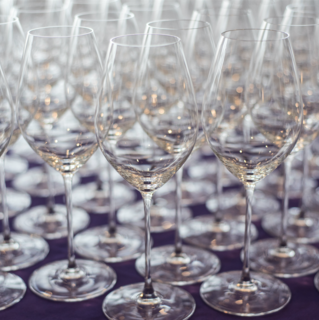
Bubblyfest Pop-Up San Francisco!
Bubblyfest Pop-Up San Francisco descended on our space last weekend and was a roaring success. We celebrated one of our favorite fermented bevvies with almost 300 guests!
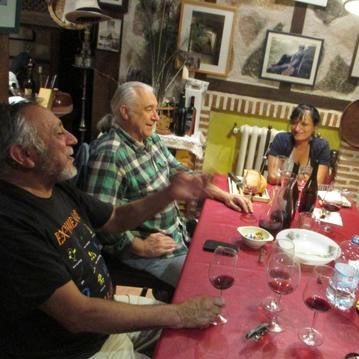
Despite being 60-90mins. by car or rail to/from Madrid, compared to most of Spain’s known quality wine regions the ‘Garnacha de Gredos’ area remains unknown to the US wine pro. Its establishment as...
Spain's Private Vintner's Club - Grandes Pagos de Espana
Spain's Private Vintner's Club - Grandes Pagos de Espana Finca Sandoval owner and journalist Victor de la Serna and Carlos Falcó Fernandez de Córdova, Marquis de Griñon, presented a selection of tw...
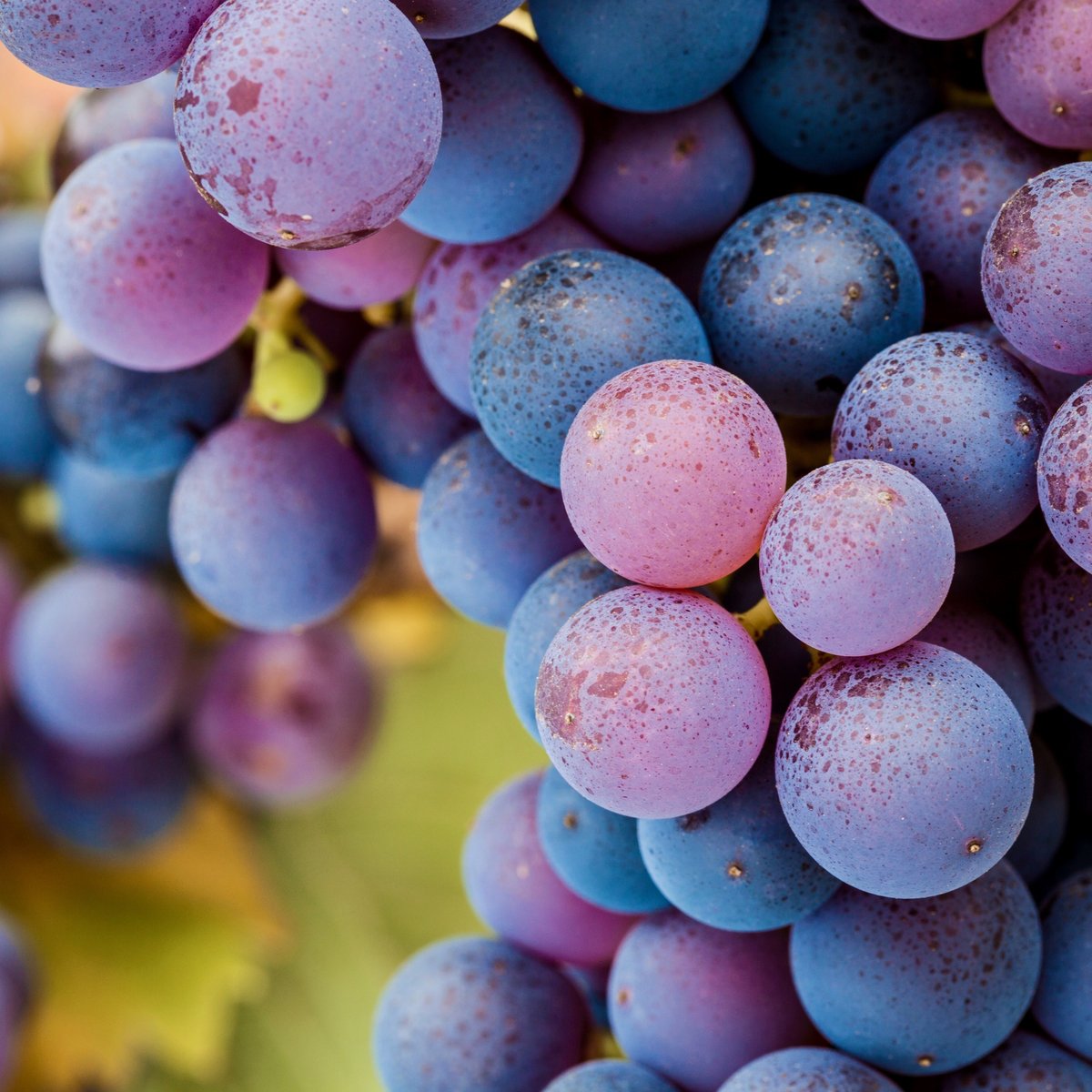
Why Sommeliers Love Pinot Noir
Pinot Noir is a favorite of sommeliers and winemakers alike. This noble red variety from France's Burgundy region makes an intensely flavored, complex, high acid wine with incredible longevity, but...
Nantucket Vineyard: Island Inspiration
Making wine is all about passion, that is nothing new, but it is fascinating to see unparalleled devotion to making wine against all odds. While Martha’s Vineyard evokes vinous imagery, another isl...
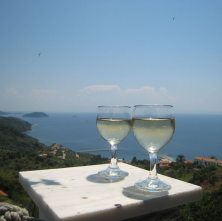
Retsina is often the brunt of the joke when it comes to Greek wine. Just recently I heard someone say, “Greek wine is great but don’t give me any retsina!” and I have to say I once used to agree!
ZinFest Wine and Cheese Pairing
Part of the bounty of Northern California is its plethora of artisanal cheeses, which are featured proudly alongside the traditional European choices in shops and farmer’s markets. You might see th...

Mineral Waters to Improve Mineral Perception in Wine
One of the more confounding elements in wine is minerality. Even in the more comprehensive, advanced-level wine tasting classes I often see blank stares when it comes to this topic.
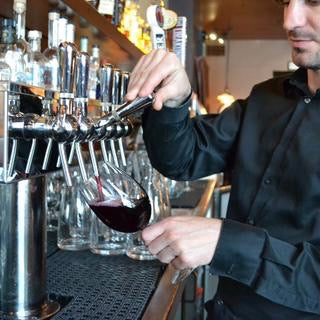
Thinking Outside the Bottle For more than 200 years, wine bottles have enabled easy transport, long-term cellaring and convenient service. Consumer and on-premise needs have evolved though. New t...
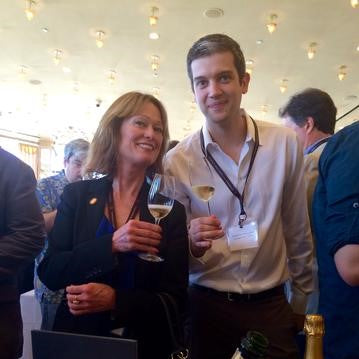
Champagne Bureau Tasting – San Francisco
The Champagne Bureau’s annual trade tasting took place October 21, 2014 at the Westin St. Francis in San Francisco’s Union Square. With 37 brands represented, it was important to get there early an...
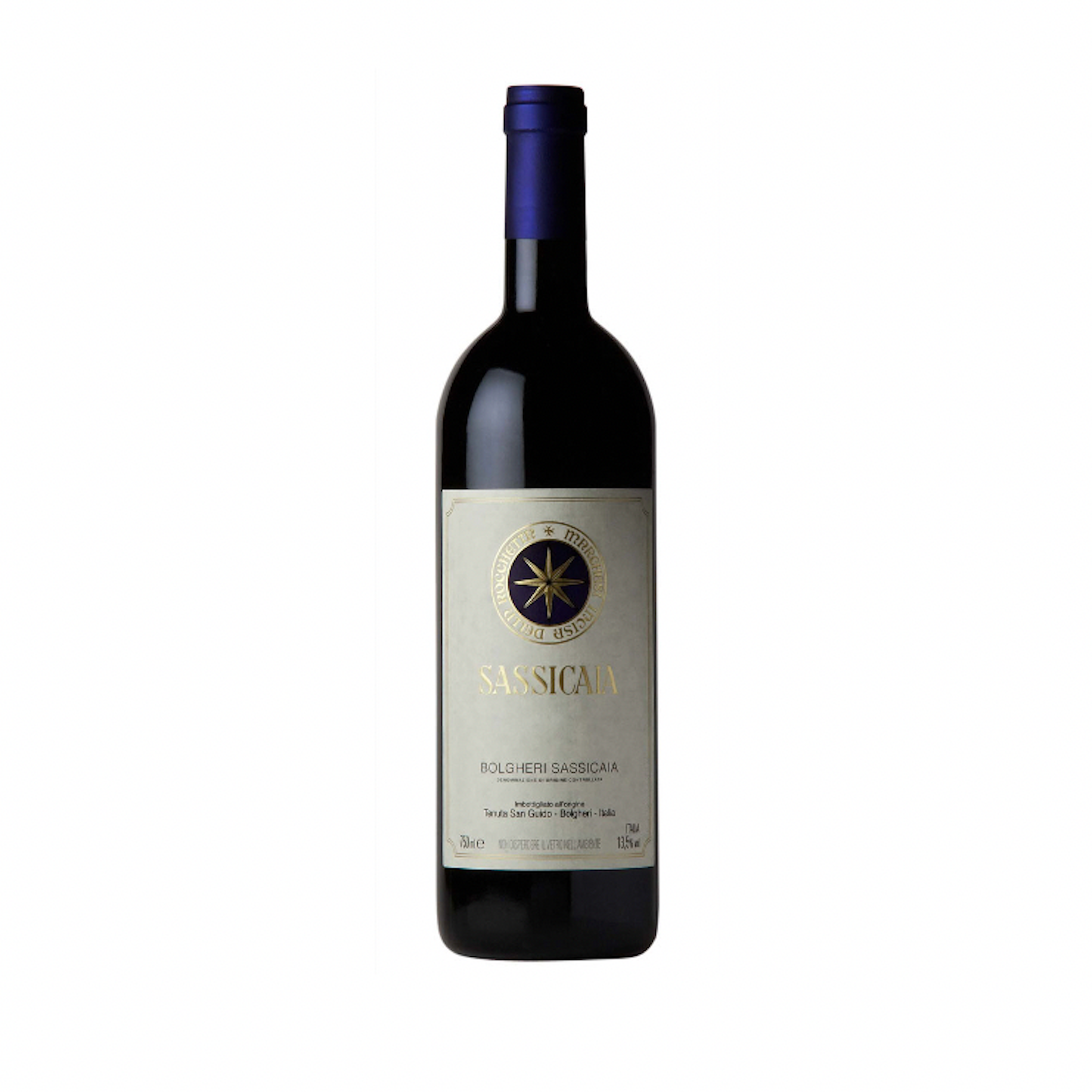
Sassicaia is a wine known and loved the world over. From a beautiful coastal hamlet in Tuscany, this Super Tuscan blend is hands down Italy’s most famous wine. Learn the history behind Italy’s fa...
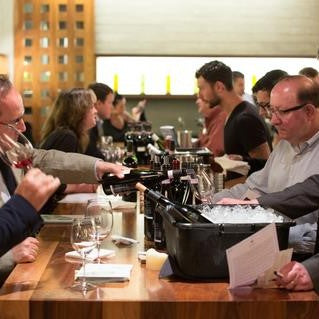
Strada del Sagrantino, San Francisco
For lovers of Umbrian wines, the Sagrantino Umbrian Essence event, held on June 10th at San Francisco’s The Press Club, was a rare treat. Eight producers were on hand to showcase their wines, with ...
Sicily’s Noble Red – Nero d’Avola
Dating from early Greek settlements here, Nero d’Avola is one of Italy’s top five grapes and the most noble of Sicily. It is still known as Calabrese, meaning “from Calabria”, or possibly even de...
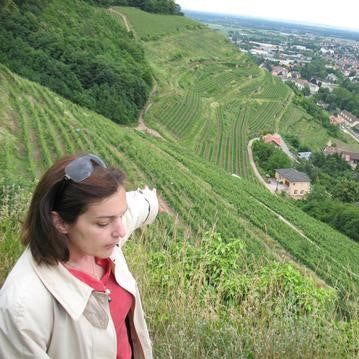
Since 2008, Alsace Rieslings have been obliged to be less than 9 g/l residual sugar, marking the interests of those who have long touted a preference for drier Rieslings. Vendanges Tardives (VT) an...
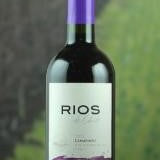
On September 17th and again a week later, several of Chile’s prime agricultural zones were hit with severe frost, the worst in decades. The world will enjoy less of Chile’s fruit and wine as a result.
Champagne is going green. The CIVC has approved a new bottle (2 oz total weight) reducing the region’s CO2 output by 8,000 metric tons.
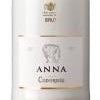
Cava is always a bargain, but the elegant, lemony and slightly yeasty Anna de Cordoniu Cava Brut nv $15 is especially a good deal. Ideal for showcasing delicate seafood and shellfish dishes, it als...